In 1996, the Carnegie Museums of Pittsburgh concluded centennial celebrations and
embarked on its second century with a fresh approach to serving the people of the
region. Any museum that lives must constantly reevaluate how it fulfills its mission
and even what that mission might be. Our audience surveys tell us that visitors and
members are changing, and changing what they expect from us. The region’s shifting
economy and industrial structure influence how much time and money people have for
leisure pursuits. New technologies require a new approach to education while making
a whole array of options possible. Lives seem busier, maybe because the possibilities
of what to do with them are increasing.
At the Carnegie museums, two new directors and a new vice president of marketing
will insure that we keep up with these rapid changes in our constituents’ lives.
The museums enrich the community by providing varied educational experiences, places
and events for family outings, and resources for academic endeavors. Certain markers
tell us we are effective – since 1986, there has been a 180 percent growth in our
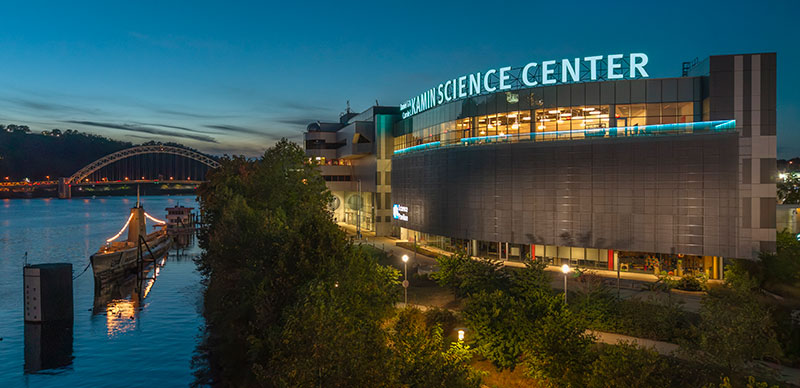
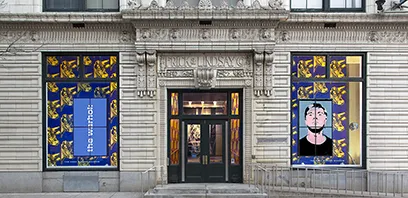
service to the community, including the opening of Carnegie Science Center and The
Andy Warhol Museum in 1991 and 1994, respectively. Membership is up 154 percent despite
a 10 percent decline in the population of the region, with members and donors together
totaling 27,400.
A study of our operating expenditures shows that we have increased spending allocations
to museum programs, from 33 percent of the budget in 1986 to 40 percent now. With
increases in membership and endowment income, this means that in 1996 we spent $9,906,000
on museum programs, on the actual products for which people come to us. The rest
of our operating expenditures included the Three Rivers Arts Festival, and development,
marketing, human resources and general services that keep museums running.
These museums are accountable to their supporters, the largest of which is the Allegheny
Regional Asset District, which underscores our responsibility to the people of this
area. And with 62.3 percent of our annual operating support coming from individual
gifts of under $1000, we make every effort to be audience driven, to communicate
with visitors and members about what they want and then to provide it.
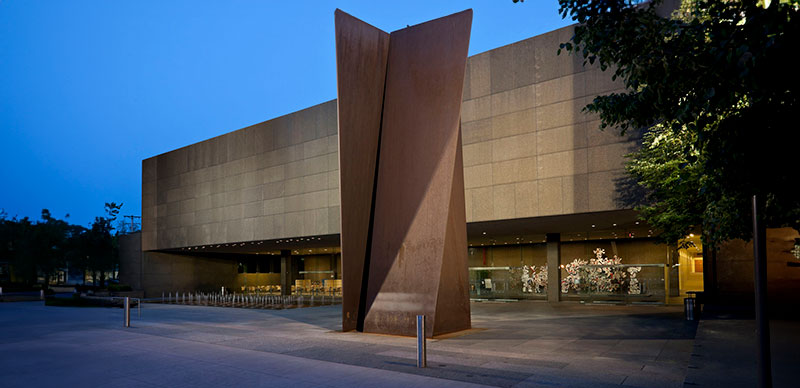
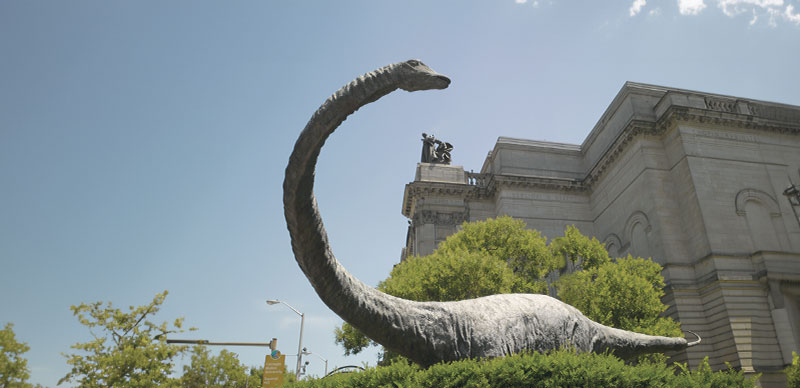
For example, throughout the Oakland complex containing the Museum of Natural History
and the Museum of Art, there is evidence of a new, welcoming atmosphere. Visitors
can have a cup of coffee and relax at the new coffee bar. Signs are being installed
to direct people unfamiliar with the building, and staff members will be readily
available to help plan a visit.
In this report, you can learn about some of the other initiatives we have developed
to make visitors feel more comfortable, and have a sense of ownership for what was,
after all, given to every one of us.
This annual report was prepared for the office of the president by Ellen S. Wilson.
Carnegie Museum of Natural History
Carnegie Museum of ArtAndy Warhol MuseumCarnegie
Science Center List of Contributors