Carnegie Museum of Natural History’s renowned mineral collection boasts more than 31,000 specimens in all, many of which were acquired in the 19th century. Among its standouts: a rare suite
Velvet Long-Horned Beetle
Behind the scenes in Carnegie Museum of Natural History’s world-famous bug rooms, a small group of researchers screen and identify some 60,000 insects each year as part of the museum’s
Gorilla (formerly known as George)
He was born in Gabon, West Africa, but after being captured at a young age in the 1960s he spent most of his 14 years in zoos, initially in Copenhagen,
Bontebok
In 1837, a farming family in South Africa’s Western Cape Province realized that the bontebok, an antelope native to the region and distinguished by its white markings and ringed antlers,
Coltsfoot, Then and Now
On March 14, 1957, botanist Leroy Henry walked through the woodlands around Powdermill Nature Reserve, just one year after it was established as Carnegie Museum of Natural History’s field station,
Mallard Duck Decoys
North American hunters have used decoys for centuries. Indigenous Americans fashioned them from reeds, clay, and stuffed skins to lure migrating birds within range of their arrows and spears. European
T. rex Holotype
Despite their relatively puny arms, Tyrannosaurus rex had the jaw-dropping power of a 40-foot-long, 5-ton body. And their spiky teeth were sharp, efficient, and deadly. Roaming what is today the
Pangolin
Despite their lizard-like appearance, pangolins are mammals that are often referred to as scaly anteaters. They have no teeth and lap up social insects like termites and ants with their
Red-Necked Keelback, Collected In 1872
In its wonderfully creepy Alcohol House, Carnegie Museum of Natural History boasts about 230,000 reptiles and amphibians from 160 countries—95% of them fluid-preserved in jars. Each is a scientific time
Freshwater Seal Holotype
In 1935, Carnegie Museum of Natural History Curator of Mammals J. Kenneth Doutt first saw evidence of an uncommon find while doing fieldwork in Quebec, Canada. He observed an Inuit
American Bison
For countless numbers of schoolchildren, the taxidermy bison standing tall in Carnegie Museum of Natural History’s Alcoa Foundation Hall of American Indians is a tour highlight because it’s real and
Soot-Covered Eastern Towhees
Long before people monitored air quality through electronic devices, the soot on birds’ bellies recorded the history of air pollution. From 1880 to 2015, the soot stains on the plumage
Andrey Avinoff’s Butterflies
Legend has it that Andrey Avinoff fell in love at first sight—with butterflies—at age 5, while roaming the grounds of his family’s expansive estate in Ukraine. At 7 years old,
Wild flowers of Western Pennsylvania and the Upper Ohio Basin
Carnegie Museum of Natural History has been—and still is!—home to many accomplished scientists, and two stand out for their combined work on an amazing research and artistic feat: Wild Flowers
Pseudomorph of Hemimorphite after Calcite
On certain days, it’s easy to figure out which are the stars of Carnegie Museum of Natural History’s Hillman Hall of Minerals and Gems: at closing time, just check out
Our Museums
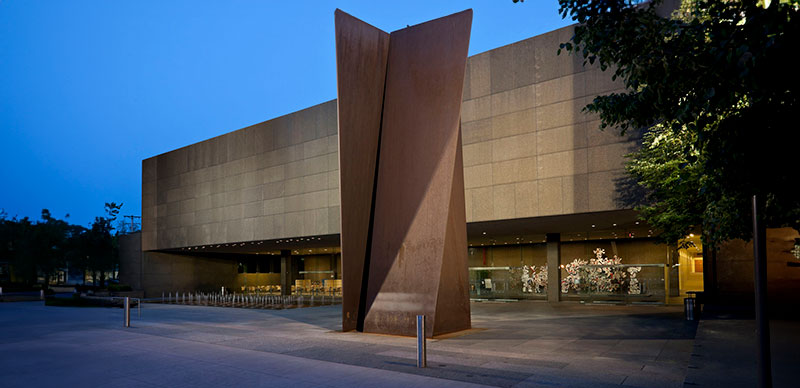
Carnegie Museum of Art
412-622-3131
4400 Forbes Avenue
Pittsburgh, PA 15213
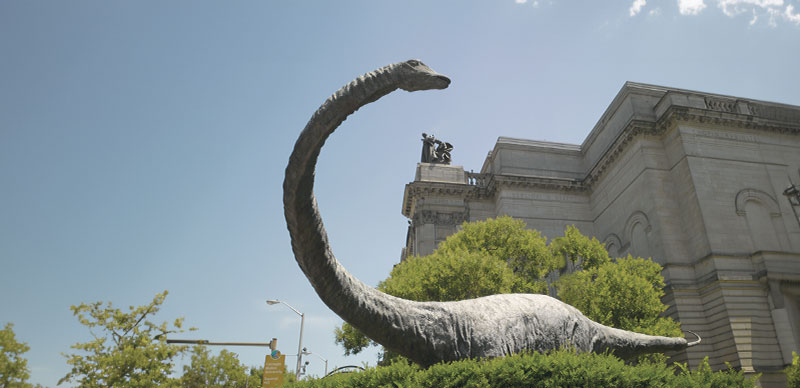
Carnegie Museum of Natural History
412-622-3131
4400 Forbes Avenue
Pittsburgh, PA 15213

Kamin Science Center
412-237-3400
One Allegheny Avenue
Pittsburgh, PA 15212
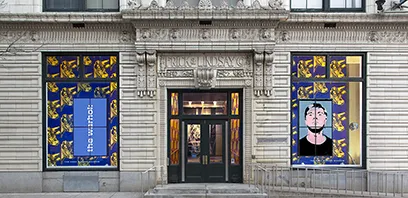
The Andy Warhol Museum
412-237-8300
117 Sandusky Street
Pittsburgh, PA 15212-5890
