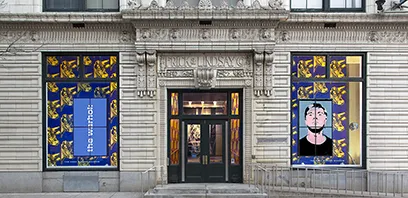
In 1964, when Andy Warhol’s Brillo Boxes debuted at the Stable Gallery in New York, collectors and critics were perplexed, and maybe a little annoyed. “Is this art?” they asked. Warhol’s now-famous installation featured 80 plywood boxes, identical in size and shape to the shipping cartons sold in grocery stores, which he and two studio assistants painted and silkscreened with spot-on consumer product logos: Campbell’s Tomato Juice, Kellogg’s Corn Flakes, Brillo Soap Pads, Mott’s Apple Juice, Del Monte Peach Halves, and Heinz Tomato Ketchup. They were virtually indistinguishable from their real-world cardboard counterparts and stacked as if crammed into a grocery store warehouse. The artist envisioned people buying them and walking down Madison Avenue with the boxes under their arms, but they didn’t sell well. The joke, of course, is on the critics: In 2010, a signed Brillo Box sold for $3 million.
Brillo Boxes by Andy Warhol
In 1964, when Andy Warhol’s Brillo Boxes debuted at the Stable Gallery in New York, collectors and critics were perplexed, and maybe a little annoyed. “Is this art?” they asked.