Easily one of the coolest—and most unique—experiences at Carnegie Museum of Natural History is peering inside its fossil preparation laboratory, PaleoLab. It’s a literal window to where scientific preparators, depending
50-million-year-old Fossil Fish
Three years before Diplodocus carnegii (aka Dippy) captured Andrew Carnegie’s imagination, a roughly 50-million-year-old fish fossil became the first specimen to enter Carnegie Museum of Natural History’s vertebrate paleontology collection,
The Baron de Bayet Collection
Having gained infamy as the place where Wild Bill Hickok met his maker thanks to a gunshot in the back, the Deadwood, Dakota Territory, was not a place for the
T. rex Holotype
Despite their relatively puny arms, Tyrannosaurus rex had the jaw-dropping power of a 40-foot-long, 5-ton body. And their spiky teeth were sharp, efficient, and deadly. Roaming what is today the
Pennsylvania Land Snail
Pennsylvania land snails, which include more than 100 species of both shelled animals and slugs, are found almost everywhere, yet the public knows little about them. They’re important ecologically, providing
“Hidden” Fossils
Visitors who explore the shared Carnegie Museums and Library building in Oakland often marvel at the architecture and its head-turning multicolored marbles and limestones. What they might overlook, however, are
A Dinosaur for Pittsburgh
Andrew Carnegie’s intense interest in prehistoric buried treasure began in 1898 when he spied an article in a New York newspaper about a University of Wyoming fossil collector who had
Our Museums
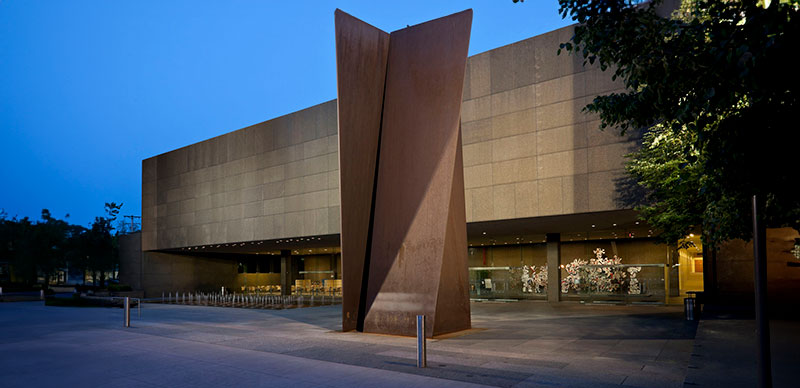
Carnegie Museum of Art
412-622-3131
4400 Forbes Avenue
Pittsburgh, PA 15213
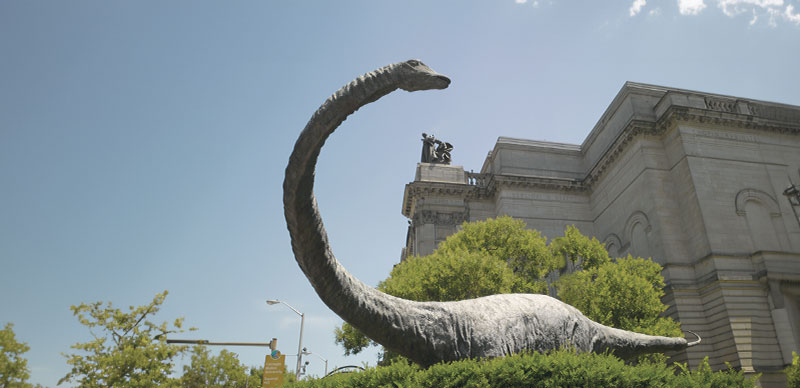
Carnegie Museum of Natural History
412-622-3131
4400 Forbes Avenue
Pittsburgh, PA 15213
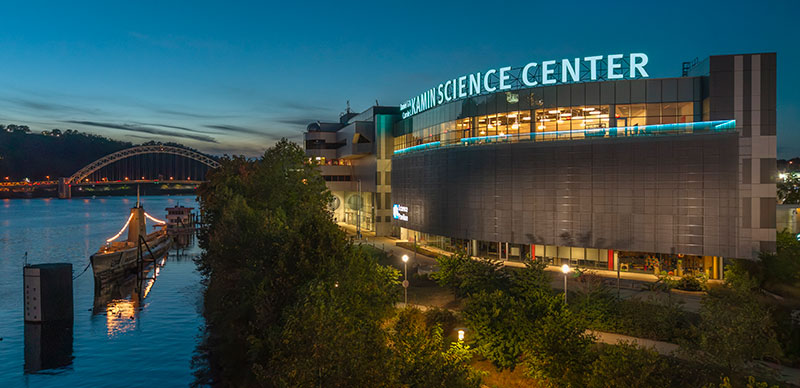
Kamin Science Center
412-237-3400
One Allegheny Avenue
Pittsburgh, PA 15212
The Andy Warhol Museum
412-237-8300
117 Sandusky Street
Pittsburgh, PA 15212-5890
